
FY24 ANNUAL REPORT
This annual spans the period from July 2023 through June 2024. For previous annual reports, visit the About Us page on our website.
- ABOUT DOTS -
Mission Statement
The Department of Transportation Services (DOTS) strives to provide access to safe, cost-effective, sustainable and innovative services that anticipate the growing needs of our campus community.
Function and Responsibilities
The University of Maryland Department of Transportation Services is a self-support agency under the Division of Administration. DOTS is dedicated to providing service to the campus community through planning, education and enforcement. DOTS is the primary agency responsible for administering parking and transit management programs on the College Park campus.
Values
Collaboration Promote a culture of teamwork and cooperation that actively encourages diverse perspectives to achieve a common goal and make a positive impact on our community. |
Positivity Behave positively and encouragingly to maintain not only a fun-loving attitude but also a fun-loving workplace environment. |
Innovation through Diversity Encourage differing perspectives to foster ideas, innovations and improvements (the three I’s). |
Growth & Adaptability Embrace change as an agent of continuous improvement and a path to innovative operations. |
Integrity Be transparent, dependable, trustworthy, forthcoming, and accountable with our products, services, and interactions. |
Purposeful Service |
Safety & Security |
Susttainability |
- PROGRESS TOWARD GOALS -
Modernize and Streamline Booking Process of Paratransit and NITE Ride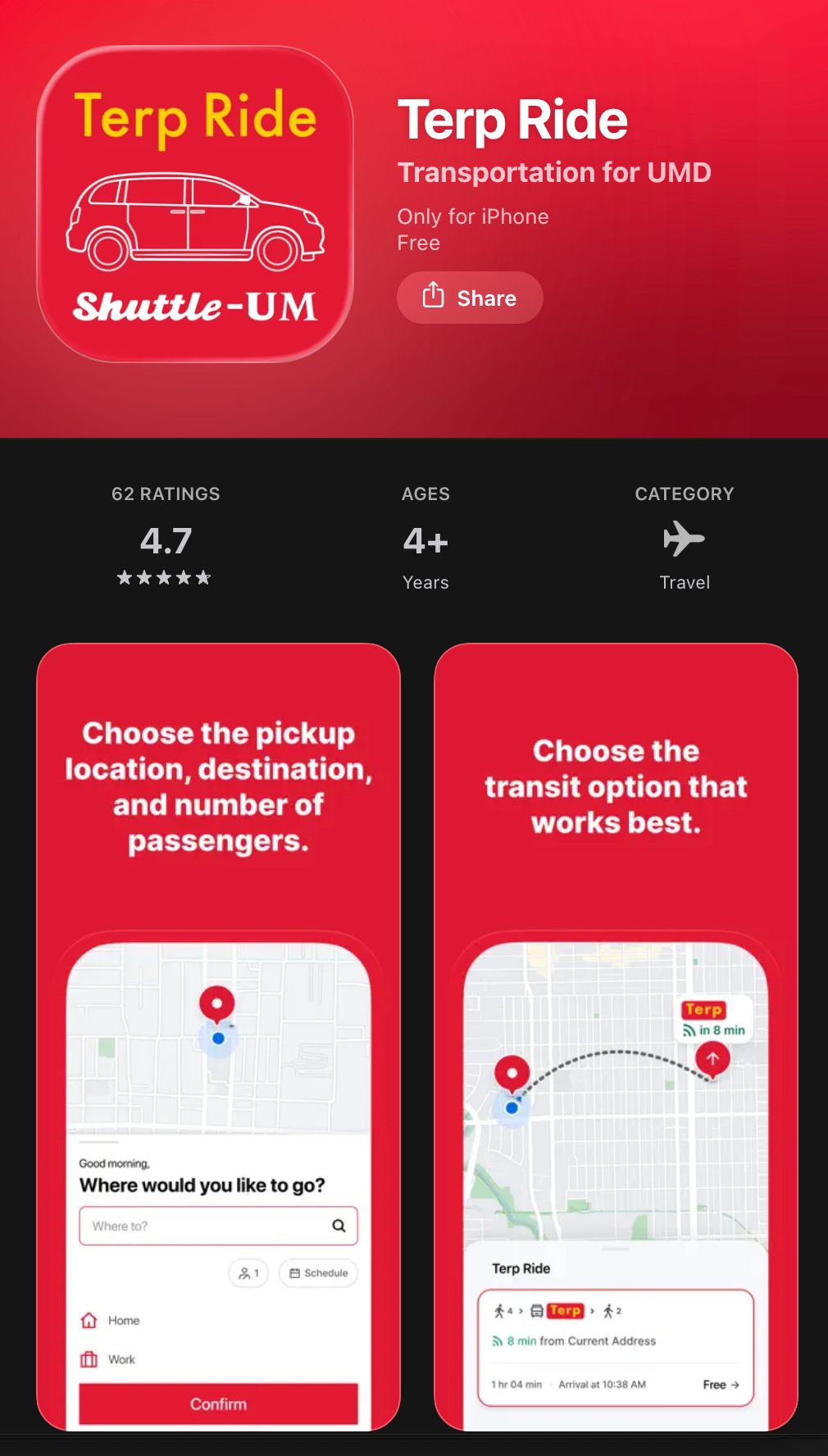
In response to user feedback that the Paratransit and NITE Ride booking process was outdated and cumbersome, we set out to modernize the system and improve the rider experience.
In August 2023 we launched the Terp Ride app to replace Transloc. Terp Ride is a user-friendly digital platform that allows riders to schedule trips in real-time or in advance. The app is accessible via smartphone, but riders can still book through our call center if preferred. Features such as instant trip confirmations, real-time vehicle tracking and a streamlined communication channel to dispatch have significantly improved convenience for users. Initial response from users has been overwhelmingly positive, with many noting the ease of use.
This upgrade not only enhances the rider experience but also supports our long-term goals to modernize service and improve operational efficiency. On the back end, the platform enables more efficient routing and dispatching, resulting in reduced wait times and greater service reliability. In addition, it provides more robust, anonymized data that informs smarter planning and continuous improvements to our service.
Make Progress Toward Fleet Electrification
The university’s ambitious climate action goals include converting all university vehicles to be fully electric by 2035. With a fleet of more than 70 transit vehicles, DOTS recognizes the critical role we play in helping the university meet this commitment.
In Summer 2023, DOTS was awarded $39.9 million in grant funding through the Federal Transit Administration’s FY23 Low- and No-Emission (Low-No) Program. This transformative investment will support the purchase of electric buses and charging infrastructure. The grant also provides funding for workforce development to train drivers and maintenance staff to operate and service electric buses. The new buses may be in operation as early as summer 2026.
In the meantime, we continue to make incremental progress. This year, we added two new electric enforcement vehicles to our fleet, bringing the total to four. These additions reflect our ongoing commitment to reducing emissions and supporting a cleaner, more sustainable campus transportation system.
Secure Funding For Campus Bike Lanes 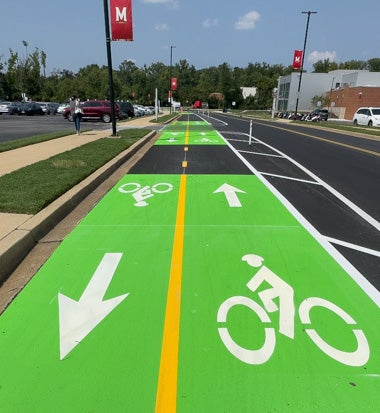
In 2022, we received grant funding to study the feasibility of four proposed bike lane segments on campus. With the feasibility study complete, the next step was to secure funding for design and construction.
We’re pleased to report that the Student Facilities Fund committed $1,010,000 to advance the Bikeways Project. Thanks to this support, the university's first campus bike lane—along Paint Branch Drive—is now under construction and on track for completion before the start of the Fall 2024 semester. This project sets the foundation for a more micromobility-friendly campus, with additional segments to follow pending future funding and planning.
Develop E-Micromobility Management Tools
The rapid rise in e-scooter and e-bike usage on campus in 2023 brought with it a growing set of challenges. Unsafe riding behaviors and improper parking began to interfere more frequently with accessibility and campus road and sidewalk safety. While DOTS continued to monitor and regulate shared Veo vehicles using tools such as speed caps, geofencing, parking hubs and curfews, privately-owned micromobility vehicles remained outside the scope of these controls.
To address this gap, DOTS launched a mandatory e-micromobility registration program in September 2023. All e-scooters and e-bikes operated on campus were required to register with our office within the first few weeks of the semester. This initiative marked a significant step toward improving safety, accountability and data gathering.
Through registration, DOTS gained accurate insight into the number of privately-owned vehicles in use on campus. The program also created a direct communication channel between DOTS and vehicle owners, allowing for timely updates on safety guidance and changes to regulations. Each registered vehicle received a reflective sticker with a unique identification number, providing a practical enforcement tool and helping deter unsafe riding. As an added benefit, registration served as proof of ownership in the event of theft.
This new system laid the foundation for a more comprehensive and effective approach to micromobility management. By extending oversight beyond shared fleets, DOTS took a critical step toward building a safer, more accessible and better-regulated transportation environment for the entire university community.
- ACCOMPLISHMENTS IN FY24 -
Ridership Continued to Recover 
Shuttle-UM ridership continued its upward trajectory in FY24, reflecting a broader trend seen across the transit industry as systems recover from the impacts of the COVID-19 pandemic. Before the pandemic, annual Shuttle-UM ridership consistently exceeded 3 million. While ridership dropped sharply in 2020, recovery has been gradual and steady.
In FY24, we saw a 7.8% increase compared to the previous year. This is an encouraging sign of renewed demand for transit services across campus and the region. DOTS will continue monitoring ridership patterns as travel behaviors evolve.
Chalk the Walk
In October 2023, DOTS spearheaded Chalk the Walk, a community “paint-in” festival held as part of Safety Month. Working with students in the creative placemaking minor, DOTS transformed the crosswalks around Tawes Plaza into temporary, vibrant murals designed to slow down drivers, riders and pedestrians while encouraging dialogue about shared road spaces.
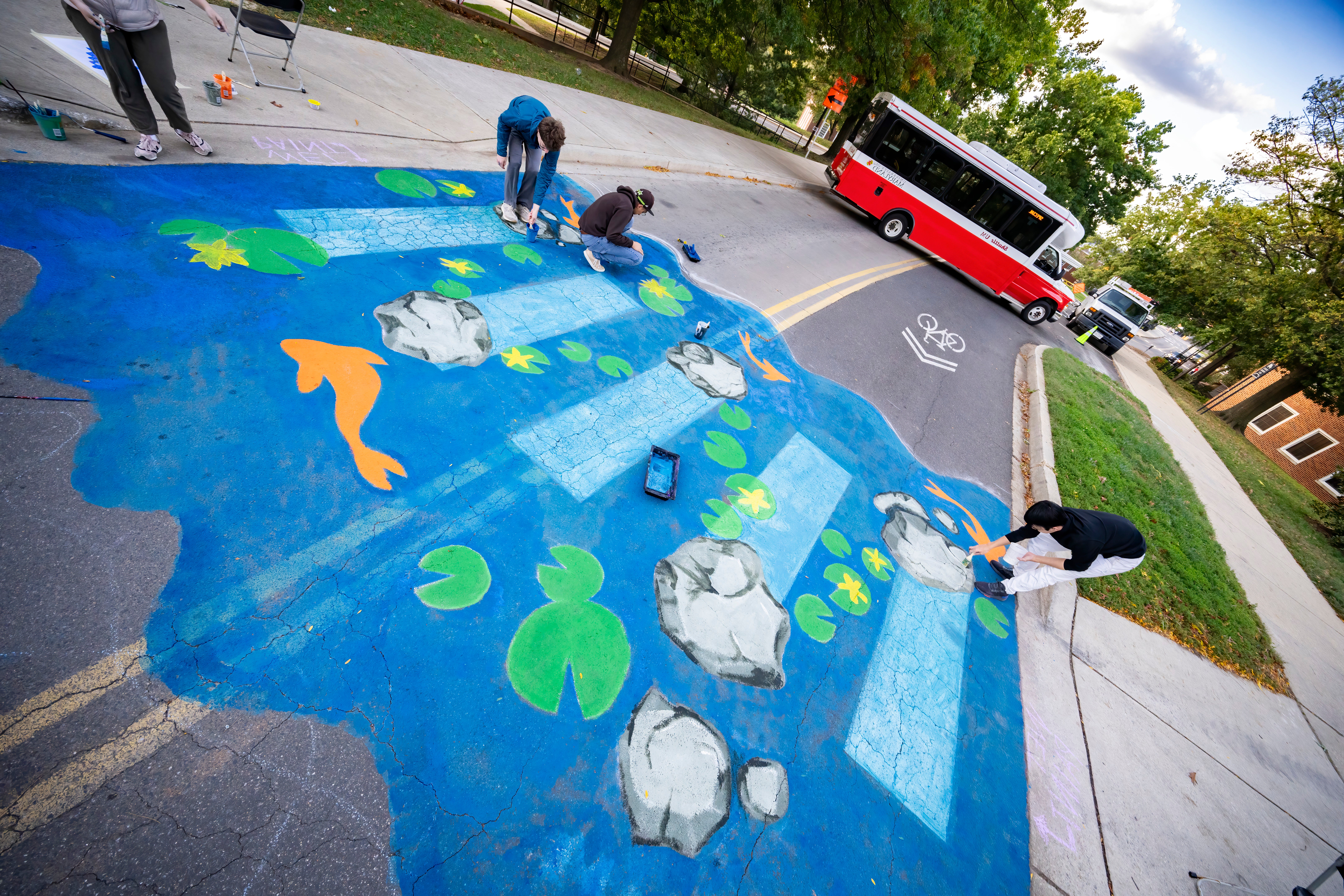
The event featured six artist-designed crosswalks, incorporating native flora, geometric patterns and rainbow optical illusions. Alongside the painting activities, we hosted information tables at the plaza with student groups such as the Student Government Association’s Transportation and Infrastructure Committee and Terps for Bike Lanes to distribute educational materials.
Beyond beautifying the campus, the murals served as deliberate safety interventions aimed at calming traffic, improving pedestrian safety and sparking long-term conversations about mobility on campus.
Streamlined Payment by Going Cashless
In FY24, DOTS transitioned to a fully cashless payment system, removing cash as a payment option for permits, visitor parking and citations. This change aligns with how the vast majority of our customers already pay (using credit cards or debit cards) and allows us to modernize and simplify operations.
To ensure a smooth transition, DOTS provided clear bilingual signage at pay stations on campus, helping all community members understand the new payment process. Eliminating cash handling has reduced administrative overhead, enabling DOTS to focus more resources on customer support. This practical step reflects our commitment to efficient, accessible and modern payment experiences for the campus community.
Expanded and Modernized Electric Vehicle Charging Infrastructure
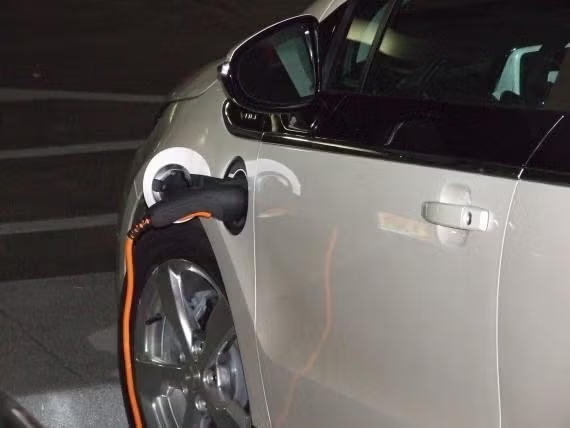
In response to growing demand, DOTS expanded and upgraded our electric vehicle (EV) charging infrastructure across campus. We installed new Level 2 charging stations, bringing the total to 50 charging stations on campus. We also replaced older units with smart chargers powered by Blink. These changes make it easier for drivers to locate available charging stations, track their charging status and manage payments through the Blink app or at the station. This investment reflects our continued commitment to supporting sustainable transportation while ensuring the system can grow along with campus needs.
Launched New Employee Development Program
This year, we launched MAPS (Mentoring, Advising, Professional Development and Skill Building), a professional development program for full-time staff. Through coaching, training and peer support, participants create personalized plans to advance their career goals. While MAPS is designed for employees, its impact reaches students by developing more skilled, motivated and service-oriented staff.
Hired a Dedicated Data Analyst
In FY24, DOTS welcomed a full-time data analyst to help us make better use of the large amount of information we collect, from shuttle ridership and parking trends to micromobility registration data. This role is focused on turning that data into useful insights that support decision-making across the department. With a dedicated analyst on board, we're better equipped to spot patterns, track the impact of our programs and find new ways to improve efficiency and service.
- CHALLENGES AND LESSONS LEARNED -
FY24 brought a number of challenges that shaped how we operated and planned for the future. Like many departments, we continued to face financial pressures, and we fell short of some financial goals. The ongoing loss of parking spaces due to campus construction added to that strain—not only by tightening availability for students, but also by limiting our ability to generate income from special events.
At the same time, the rapid growth in electric scooter use strained our resources, reinforcing the need for more intentional education and shared space planning. These experiences have directly informed our goals for FY25, including better data tools, clearer communication and continued investment in sustainable, multimodal transportation options.
- GOALS -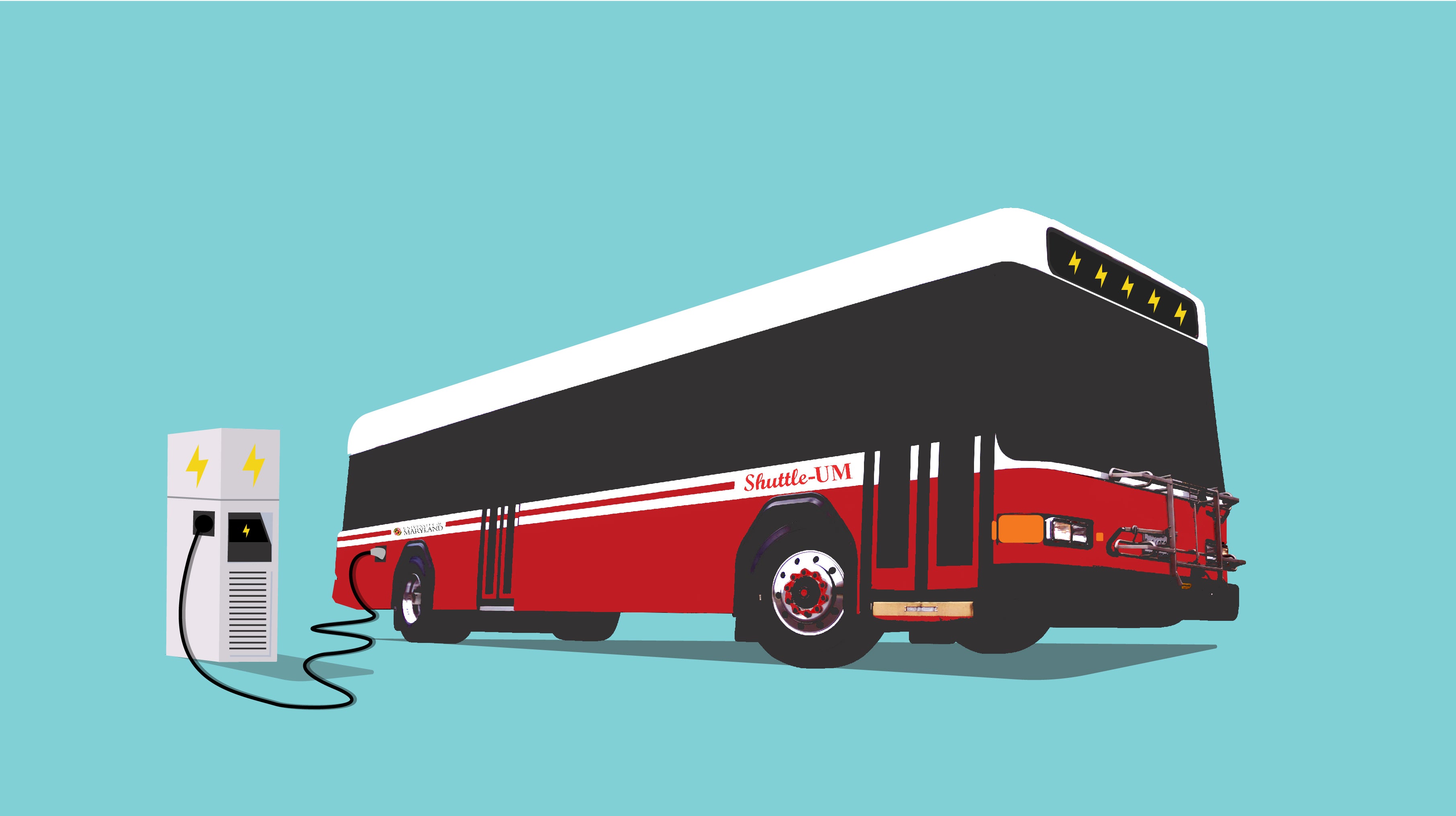
Support and Advance the Electric Bus Project
We will smoothly execute FTA grant funding, meet compliance requirements and coordinate with campus partners to keep the electric bus project on track.
Modernize Parking Operations With a New Management System
We plan to transition to a new system that improves the customer experience, boosts reliability, enhances service and enables features like pay-by-plate functionality.
Launch a Micromobility Safety Course
We will introduce a required safety course as part of the e-micromobility registration process to promote safe, confident riding and establish a shared knowledge base for all users.