

TRANSITIONING TO A SMART COMMUTE
We're here to help you get rolling. These “what ifs” are bound to cross your mind as you rethink your ride. Commuting sustainably for just 1 or 2 days a week can have a huge impact on traffic congestion, carbon emissions, public health and your expenses, so don’t let these barriers get in your way—we've got solutions.
“WHAT IF…”
"...I need to leave work to handle an emergency."
The Guaranteed Ride Home (GRH) program through Commuter Connections provides faculty and staff who pledge to commute at least twice a week sustainably with a free and reliable ride home when life happens.
"...my carpool partner and I need to drive separately today."
All Carpool Permit holders have complimentary day passes (30 for annual permit holders and 10 for semester permit holders) to use per carpooler and per year.
"...my carpool doesn’t work out."
If your carpool dissolves, you’ll switch back to your previous permit and retain your original parking assignment.
"...I need to take my car for errands a few days a week."
2-day and 3-day per week permits make it much easier to fit sustainable commuting into your routine. On the days when you need a car, drive to campus and park. On the days you don't, make a sustainable transportation choice.
"...I need to pick up my kids a few days a week."
2-day and 3-day per week permits make it much easier to fit sustainable commuting into your routine. On the days when you need a car, drive to campus and park. On the days you don't, make a sustainable transportation choice.
"...I don't even know how to get started."
Explore University Membership options, facilities, and amenities at UMD with this handy chart and save our Green Commuter Cheat Sheet for the latest programs and services available from DOTS and our regional partners.
Learn the best routes, the most scenic rest stops, and new destinations by following our Events Calendar, @DOTS_UMD and browsing forums like UMD People Who Bike.
CREATING A SUSTAINABLE COMMUTE ROUTINE
Make your commute truly sustainable: both friendly for the environment and feasible for you most days of the week. These tips will set you up for success.
TALK LOGISTICS
Most people find that conversations about logistics are critical to the success of their new commute. If you’re carpooling, do you have any flexibility with departure times? Will you and your carpool partners share the cost of gas? If you’re taking transit, speak with your supervisor about your new commute schedule. If necessary, see if working on the bus or train can count toward your daily hours.
EASE IN TO YOUR COMMUTE
Start commuting sustainably just once or twice a week. Let someone else drive when you carpool, ride the train, or catch the bus. Feel the breeze in your hair as you walk or roll to work.
PACK FOR THE WEATHER
Your new commute might involve time outdoors. If your commute involves a walk, leave your work shoes at work and wear sneakers when you leave the house. Consider keeping an extra umbrella or rain poncho in your work bag or at your desk.
MAKE SURE YOU'RE GETTING YOUR REWARDS
To encourage you along your way towards a greener commute, no matter your mode of travel, try:
- Bikeshare: Get $30 annual university membership, discounted from $120/year, with promo code: umdbikes25, which gives you access to the entire Capital Bikeshare (780+ stations) network of shared red bicycles and silver e-bikes - 3 of which are now in College Park!). Additional support is available to low-income riders.
- Transit: Students can save 50% on MARC Train travel with the Student Saver program and 15% on Amtrak train travel with the Student Discount program. All UMD staff, faculty, GAs, and TAs, can save 30-40% off on their transit expenses with the DOTS Pre-Tax Transit Program and with the MWCOG Commuter Connections network. All travellers can save 15% off MARC Train travel by selecting the CharmFlex pack of 6 or 20 tickets. Additional support is available for low-income riders and reduced fares are available for seniors and people with disabilities.
- Bikes and Scooters: Follow DOTS on Terplink to join our group rides and workshops each semester, open to riders of all ages and abilities! DOTS also offers secure bike parking, storage, proof-of-ownership, discounted safety gear and lock-cutting services to registered members. The Recwell Bike Shop offers active members access, on a first-come, first-served basis, to free bike repair services, paid bike rentals, bike maintenance classes and group rides, with a limited inventory of bike parts and safety equipment for sale.
Driving and Carpools: Get parking permit discounts for carpoolers, flexible parking bundles, Zipcar carshare discounts, and access to 54 electric vehicle charging stations.
SMART COMMUTE SUCCESS STORIES
Many members of the UMD community are enjoying a new, sustainable commute experience. Find out how they made the switch.
CARPOOL COLLEAGUES
Sustainability has always been near and dear to Allison Tjaden’s heart, especially while working on sustainability programs with Dining Services. So when the opportunity arose to switch up her commute, she decided to practice what she preached and start carpooling. Read more...
DO GOOD, GO GREEN!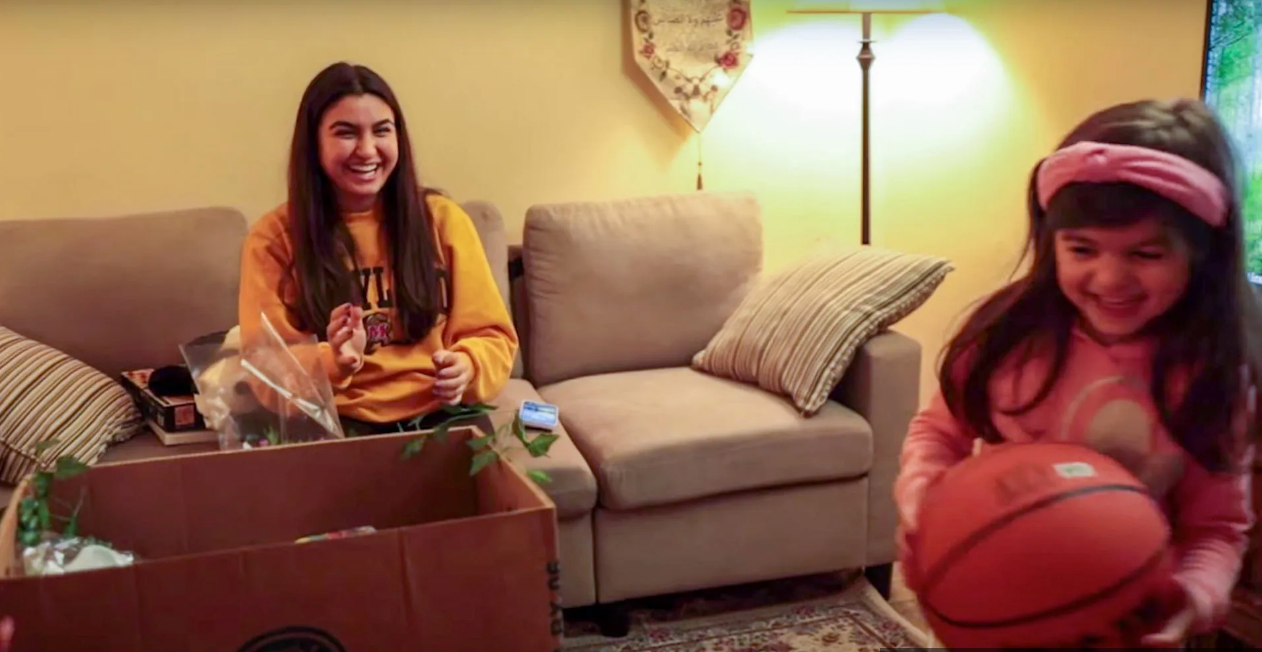
Use your commute to help others and our environment. In 2023, award-winning Terps used Zipcar at UMD to deliver services to refugees in need, raising over $5,000 dollars. In 2021, group bicycle rides to work and home gave these women refugees a cathartic way to heal trauma, build community and gain independence. Let’s chat about how our commutes can help us do good together.
BIKING TO WORK, OH DEER!
Cate Barger's drive from Mt. Rainier to UMD was only about six miles, but traffic made her commute feel much longer. In August 2018, Cate got the jumpstart she needed to switch to biking full time—burning 56,400 calories, saving more than $1,500 and seeing more deer than she expected in the process!